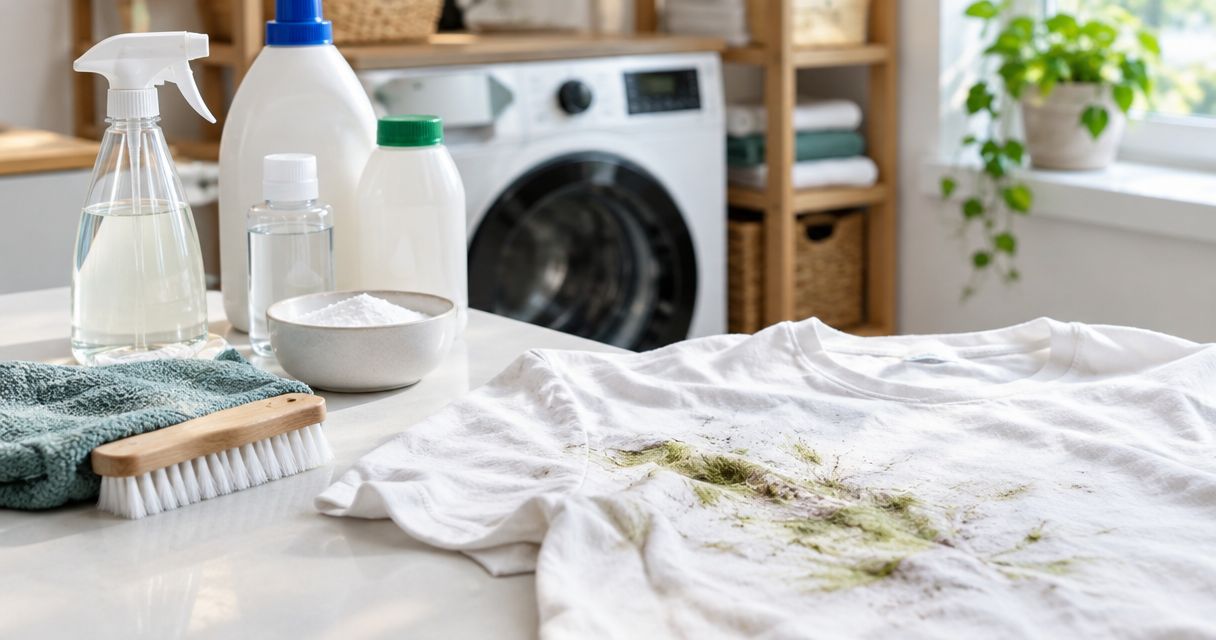
Best overall: an enzyme laundry pretreater. Best for treating and washing with one product: an enzyme liquid detergent. Best for lingering discoloration on bleach-safe washable fabrics: an oxygen bleach laundry booster. This 2026 guide helps you choose a grass-stain treatment without turning laundry day into a chemistry project.
- The best stain remover for grass stains is an enzyme laundry pretreater suitable for your garment.
- Enzyme liquid detergent combines spot treatment and washing; oxygen bleach is a follow-up for compatible fabrics.
- Check care labels, test colorfastness, and inspect the stain before using dryer heat.
- Hampr handles laundry pickup, washing, folding, and delivery; stain treatment still requires attention to garment care.
Why this matters
Grass stains bring more than green color to your clothes. Plant material, dirt, and other residue can land together, so a treatment needs to address the mess without damaging the fabric underneath.
Choose for the garment first and the stain second. A sturdy cotton practice uniform and a wool sweater do not belong in the same treatment routine, even when both have met the same lawn.
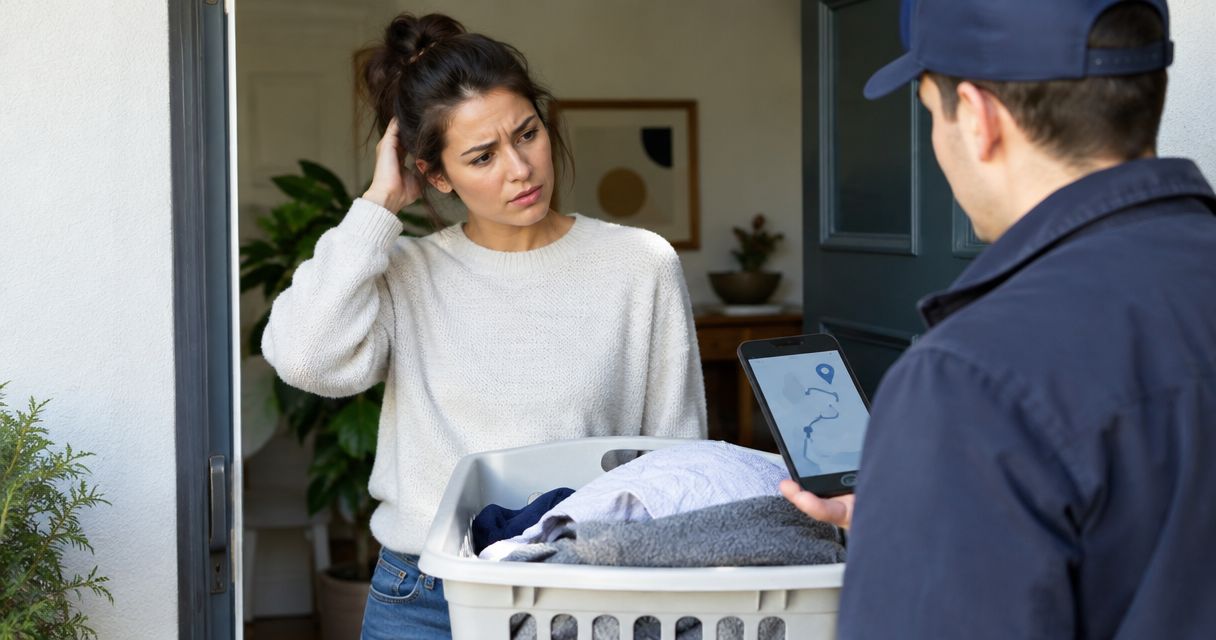
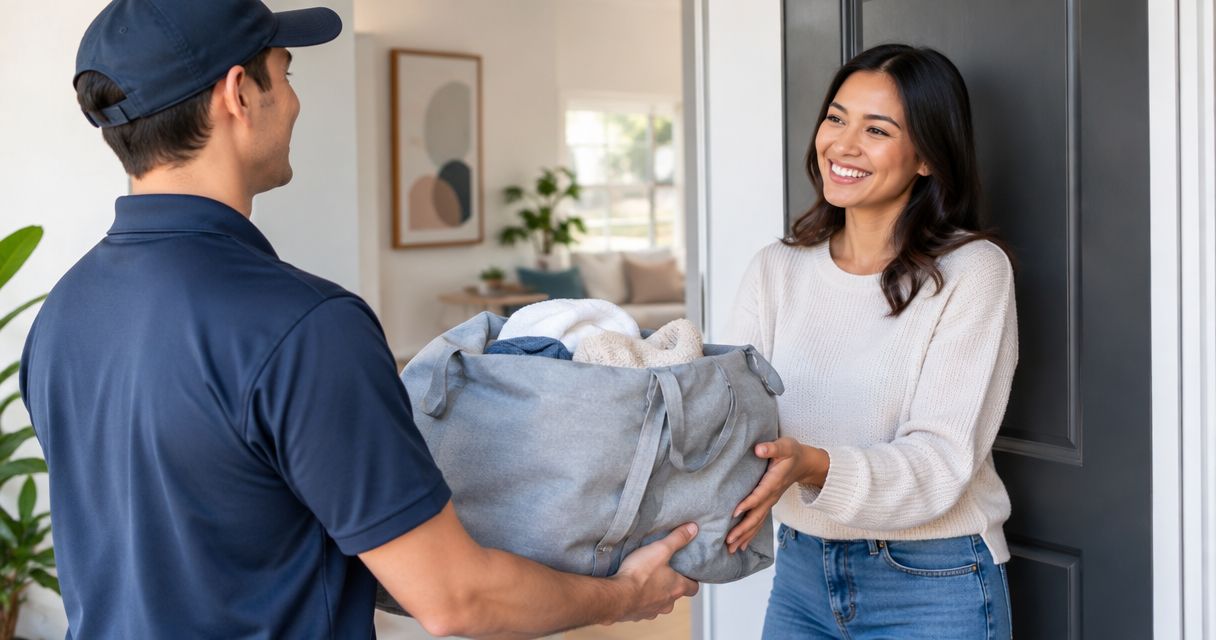
Hampr provides laundry pickup, washing, folding, and delivery for households and businesses in select US cities. That takes the laundry routine off your hands, but it does not turn every stain into a guaranteed removal.
What makes the best stain remover for grass stains?
For this 2026 guide, the strongest choice is the treatment that fits the stain, the fabric, and your actual routine—not the bottle with the loudest promise.
- Grass-stain suitability: Look for laundry directions that specifically include grass stains or the relevant stain type.
- Fabric compatibility: The garment care label and treatment label must both permit the method.
- Targeted application: A pretreater should let you wet the stained area without treating the entire garment unnecessarily.
- Clear instructions: Application, contact time, rinsing, and washing directions should be easy to follow.
- Color safety: Test an inconspicuous area before treating visible fabric, especially on dark colors and prints.
- Practical follow-through: Choose a method you can complete, including checking the garment before drying.
Grass-stain removers at a glance
These are treatment categories rather than interchangeable formulas. Check the exact product label: not every detergent contains enzymes, and not every stain remover suits every washable fabric.
| Treatment | Best for | Standout feature | Key limitation |
|---|---|---|---|
| Enzyme laundry pretreater | Localized grass stains on compatible washable clothing | Direct treatment before washing | Enzyme formulas are not suitable for every fiber |
| Enzyme liquid detergent | Treating and washing with one product | Uses one laundry product for both steps when directions permit | Not every liquid detergent contains enzymes or allows pretreatment |
| Oxygen bleach laundry booster | Remaining discoloration on bleach-safe washable fabrics | Adds an oxygen-based bleaching step | Requires fabric approval and is not universally color-safe |
1. Enzyme laundry pretreater: best for targeted grass stains
An enzyme laundry pretreater is the default choice for a grass-stained knee, cuff, or elbow on compatible washable clothing. Laundry enzymes help break down particular types of soil; the formula's other cleaning ingredients help loosen and carry away residue during washing.
Choose a laundry pretreater whose directions include grass stains. The word enzyme alone does not establish which stains a formula treats or whether it is appropriate for your garment.
Enzyme laundry pretreater pros:
- Applies treatment directly where the stain sits.
- Gives you a separate treatment step before the main wash.
- Suits a small stained area without requiring a whole-garment soak.
- Provides a straightforward starting point when the label covers grass stains.
Enzyme laundry pretreater cons:
- Requires a separate application before washing.
- Some enzyme formulas are unsuitable for wool, silk, or other delicate materials.
- Cannot promise removal of an old or previously heat-dried stain.
Best for: Washable everyday clothing with a clearly visible grass stain and care instructions that permit the product.
Apply according to the bottle, including its contact-time instructions. Do not leave treatment sitting indefinitely or let it dry on the garment unless the directions explicitly allow that use.
Verdict: Buy an enzyme laundry pretreater for targeted grass-stain treatment when both labels approve.
2. Enzyme liquid detergent: best for a one-product routine
An enzyme liquid detergent can serve as both a spot treatment and the main wash detergent when its directions permit pretreating. That makes it a practical choice when you want fewer separate laundry products on the shelf.
Check the label rather than assuming every liquid detergent works this way. Look for both enzyme information and pretreatment directions, then follow the stated washing dose instead of adding an extra splash for luck.
Enzyme liquid detergent pros:
- Combines pretreatment and washing in one product when approved.
- Fits into an existing laundry routine.
- Lets you treat a stained area before washing the rest of the load.
- Avoids introducing a separate pretreater when your detergent already supports the job.
Enzyme liquid detergent cons:
- Some liquid detergents contain no enzymes.
- Some formulas do not provide directions for direct application.
- The detergent still needs to match the garment's fabric and care requirements.
Best for: Households that already use an appropriate enzyme liquid detergent and want a simpler treatment routine.
For your 2026 laundry shelf, start by reading what you already own. A suitable detergent with clear grass-stain directions belongs ahead of an unnecessary extra bottle.
After pretreating, wash as directed and inspect the stained area before drying. If the mark remains, reassess the treatment rather than pouring more detergent into another cycle.
Verdict: Buy an enzyme liquid detergent for a one-product routine; skip direct application when its label does not allow it.
3. Oxygen bleach laundry booster: best for lingering discoloration
An oxygen bleach laundry booster is a follow-up option when discoloration remains after the first treatment and wash. It uses oxygen-based bleaching chemistry rather than relying only on detergent cleaning.
Use it only when the garment care label and booster instructions permit it. Oxygen bleach is not the same as chlorine bleach, but that distinction does not make it suitable for every fabric, finish, or dye.
Oxygen bleach laundry booster pros:
- Offers a different treatment approach for remaining discoloration.
- Can treat a whole compatible garment when the directions include soaking.
- Works as a laundry additive when the product instructions specify that use.
Oxygen bleach laundry booster cons:
- Is not appropriate for every fiber, including many wool and silk items.
- Can affect colors or finishes that are not compatible with bleaching.
- Adds another treatment step and requires careful label checking.
Best for: Remaining grass discoloration on washable items explicitly suitable for the chosen oxygen bleach product.
Follow the package for dilution, water temperature, and contact time. Do not improvise a stronger mixture or a longer soak because a stain looks stubborn.
Check whether the garment has prints, trims, elastic, or decorative details with separate care restrictions. The main fabric is only part of the decision.
Verdict: Hold oxygen bleach for a compatible follow-up treatment rather than making it your automatic first step.
How these treatments are ranked
This 2026 ranking prioritizes targeted grass-stain treatment, fabric compatibility, clear directions, and the number of separate tasks involved. It compares treatment approaches, not laboratory-tested performance between named bottles.
Enzyme laundry pretreater takes the default slot because it creates a dedicated spot-treatment step. Enzyme liquid detergent wins the simpler-routine slot when its directions permit pretreatment; oxygen bleach belongs in the follow-up slot because bleaching compatibility needs a separate check.
How to treat grass stains without making extra work
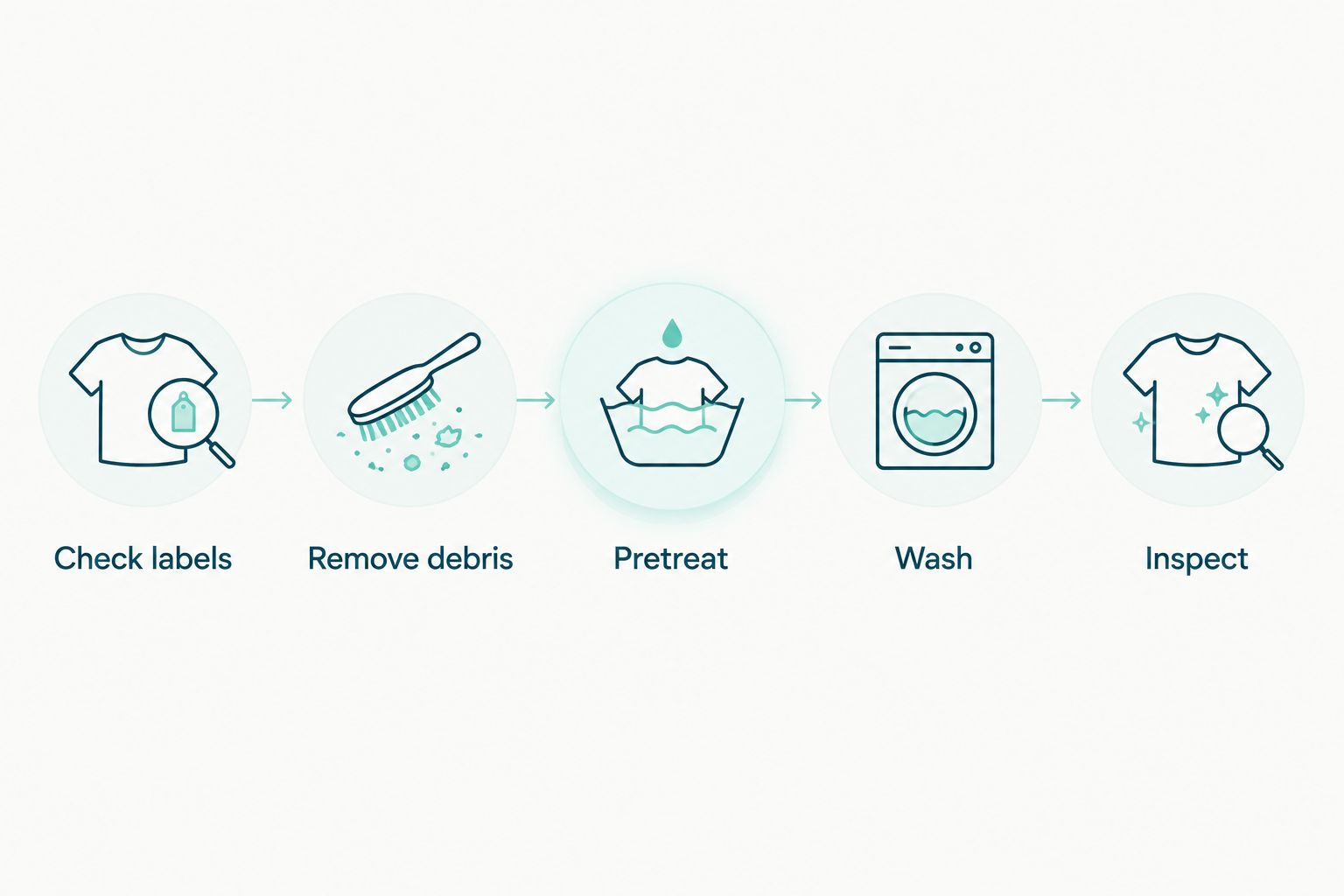
The bottle matters, but so does what happens between the soccer field and the dryer. Use this sequence for compatible washable clothing in 2026.
Check labels
Read the garment care label, then the treatment directions. Set aside dry-clean-only items and anything the chosen treatment excludes; test an inconspicuous area before treating a visible stain.
Remove debris
Gently lift away loose grass and surface dirt. Avoid grinding soil deeper into the fabric with hard scrubbing, especially around stretched knees, embroidery, or printed designs.
Pretreat
Apply the approved pretreater or detergent to the stained area as directed. Follow its contact time and handling instructions rather than borrowing directions from a different bottle.
Wash
Use the wash conditions allowed by the garment and treatment labels. Do not choose a hotter wash simply because the stain looks serious; hotter is not a substitute for compatible care.
Inspect
Look at the stained area before using dryer heat. If green discoloration remains, keep the garment out of the dryer and choose another label-approved treatment or seek garment-care advice.
The sequence keeps the key decision where it belongs: before heat drying, while you can still reassess the stain.
Mistakes that turn one stain into a bigger chore
Hard scrubbing: More friction is not automatically more cleaning. Aggressive rubbing can damage fibers, so follow the treatment's application method instead of attacking the stain with a stiff brush.
Using a household cleaner on clothing: A product made for counters, bathrooms, or carpets is not automatically suitable for garments. Choose a laundry treatment with instructions that match the fabric.
Mixing stain-removal products: Do not combine cleaners to create a homemade stronger formula. Follow explicit manufacturer directions for any products used together, and never mix chlorine bleach with ammonia or acids.
Drying before checking: Dryer heat can make remaining stains harder to remove. Give the stained area its own inspection instead of assuming a finished wash cycle means a finished job.
Treating delicate clothing like a practice uniform: Wool, silk, special finishes, and decorative details need their own care decisions. When the care label excludes your treatment, believe the label.
Which grass-stain remover should you choose?
Choose an enzyme laundry pretreater as the default for compatible washable clothing. Choose enzyme liquid detergent when its directions support pretreatment and you want one product for both jobs; reserve oxygen bleach for remaining discoloration on explicitly compatible fabrics.
For 2026, keep the buying decision simple: match the label to the garment, not the other way around. No stain remover earns permission to ignore a care instruction.
Hampr is best for households and businesses in select US cities that want laundry pickup, washing, folding, and delivery handled for them. It is a laundry service, not a stain-removal product or a promise that every grass mark will disappear.
Before handing off a stained item, check the service's instructions and explain any treatment already applied. The guide to adding special instructions to a laundry pickup order covers that part of the handoff.
FAQ
What's the best stain remover for grass stains?
An enzyme laundry pretreater is the default choice for grass stains on compatible washable clothing. Choose a formula whose directions include grass stains, and check both the garment care label and treatment instructions.
Can I use liquid laundry detergent on grass stains?
Yes, if the liquid detergent's directions allow pretreatment and the garment is compatible. An enzyme formula with grass-stain instructions is the relevant choice; not every liquid detergent meets those conditions.
Is oxygen bleach better than an enzyme stain remover for grass?
Oxygen bleach is a follow-up option rather than the default first treatment in this guide. Use it for remaining discoloration only when both the garment and product labels permit it.
Can I use an enzyme stain remover on wool or silk?
Do not use an enzyme stain remover on wool or silk unless its label explicitly permits that fabric and the garment care instructions agree. Some enzyme formulas are unsuitable for these fibers.
What should I do if a grass stain is still there after washing?
Keep the garment out of the dryer and reassess the stain. Repeat a permitted treatment or use another compatible method according to its directions; seek garment-care advice for delicate items.
Can I mix stain removers to make them stronger?
Do not mix stain removers unless the manufacturers explicitly instruct you to use those products together. Never mix chlorine bleach with ammonia or acids, because dangerous gases can form.
Does Hampr guarantee that grass stains will come out?
Do not assume a stain-removal guarantee from a wash-and-fold service. Hampr provides laundry pickup, washing, folding, and delivery; check the service's current terms and instructions for stained items.
One last thing
A damp garment can hide a faint remaining stain. Check the area in good light, and air-dry it if you are unsure before deciding whether it needs another treatment.
The finish line is a clean garment—not simply a completed wash cycle. Give that green knee one last look before the dryer gets its turn.