

Yes, you can get paid to wash, dry, and fold other people’s laundry through an independent laundry business or a paid laundry role. The catch: customer payments are not take-home earnings, and running your own service also means covering expenses, handling clothes carefully, and finding customers.
- Want to do people laundry for money? Compare independent laundry work with employee roles before committing.
- Calculate earnings after supplies, utilities, transportation, and time—not just washing-machine time.
- Hampr provides laundry pickup, washing, folding, and delivery; customer services do not establish worker pay or eligibility.
- Start with work you can handle safely, and confirm responsibilities before accepting anyone’s clothes.
Can you get paid to do other people’s laundry?
Yes. You can sell wash-and-fold services directly to customers or look for employment that includes laundry duties. Pickup and delivery work is another route, but transporting laundry is different from washing it.
Choose the work arrangement before choosing equipment. The arrangement determines who finds customers, who supplies the machines, and who handles problems. If you are researching a particular service, separate customer information from worker information; the guide to earnings as a Hampr laundry driver addresses that distinct question.
| Work option | Best for | Main advantage | Main drawback | Confirm before starting |
|---|---|---|---|---|
| Independent laundry service | People who want to manage their own customer relationships | You can define the service you offer | You handle customer acquisition, expenses, and complaints | Local rules, insurance, equipment use, and service terms |
| Laundry employee role | People who prefer an employer-defined role | Responsibilities and compensation are set through employment terms | You have less control over duties and scheduling | Actual job duties, schedule, compensation, and training |
| Laundry pickup and delivery role | People who prefer transportation work to garment care | Work centers on collecting and returning orders | Driving adds transportation responsibilities | Whether the role includes washing, vehicle requirements, and compensation |
These are work arrangements, not income tiers. For a 2026 decision, use the actual job offer or business terms—not an earnings screenshot with the expenses cropped out.
Why this matters
Laundry work looks familiar because you already wash your own clothes. Paid laundry adds another layer: someone else is trusting you with belongings they expect back clean, complete, and handled as instructed.
A washing machine can run while you do something else. Sorting, checking pockets, folding, communicating, and delivering still need your attention. Count the whole job, not just the wash cycle.
The right choice depends on whether you want a job or a business. Both involve laundry, but only one leaves you responsible for finding the next customer yourself.
Independent laundry work: best for managing your own service
An independent laundry service means you arrange the work directly with customers. You decide which requests to accept, subject to applicable rules and any agreements you make.
The upside is control. You can define your service area, accepted items, communication process, and working schedule. The trade-off is responsibility: when an order needs clarification or a customer reports a missing shirt, you own the follow-up.
Before accepting home-based work, check zoning, lease or homeowners association restrictions, insurance, and any applicable business requirements. Requirements depend on where and how you operate; owning a washer does not settle them.
Choose independent laundry work if you want to run the customer relationship as well as wash the clothes. Do not choose it solely because the machines are already in your home.
Laundry employment: best for a defined role
A laundry employee role puts the work inside an employer’s operation. Read the job description carefully: washing, pressing, folding, sorting linens, and handling customer orders are different duties.
The advantage is a defined employment arrangement rather than building a customer list from scratch. The limitation is reduced control over your schedule, workflow, and assigned tasks.
For a 2026 application, ask who provides training and protective equipment, what lifting the role requires, and how compensation works. Get the actual terms before comparing the role with self-employment.
Choose laundry employment if you want to do the work without operating the whole business. A clear job description matters more than a catchy job title.
Pickup and delivery work: best for transportation-focused work
Pickup and delivery work involves collecting and returning laundry. A listing for a driver does not establish that you will wash or fold anything, so check the duties rather than guessing from the service name.
The advantage is a transportation-focused role. The drawback is that mileage, parking, vehicle use, and handoff arrangements become part of the decision.
Ask who is responsible if a bag is missing at pickup, a delivery location is inaccessible, or a customer cannot be reached. Confirm any vehicle and insurance requirements directly with the organization offering the work.
Choose pickup and delivery work if transportation—not garment care—is the part you want to do. Keep driving compensation separate from wash-and-fold earnings when comparing opportunities.
How do you start doing laundry for money?
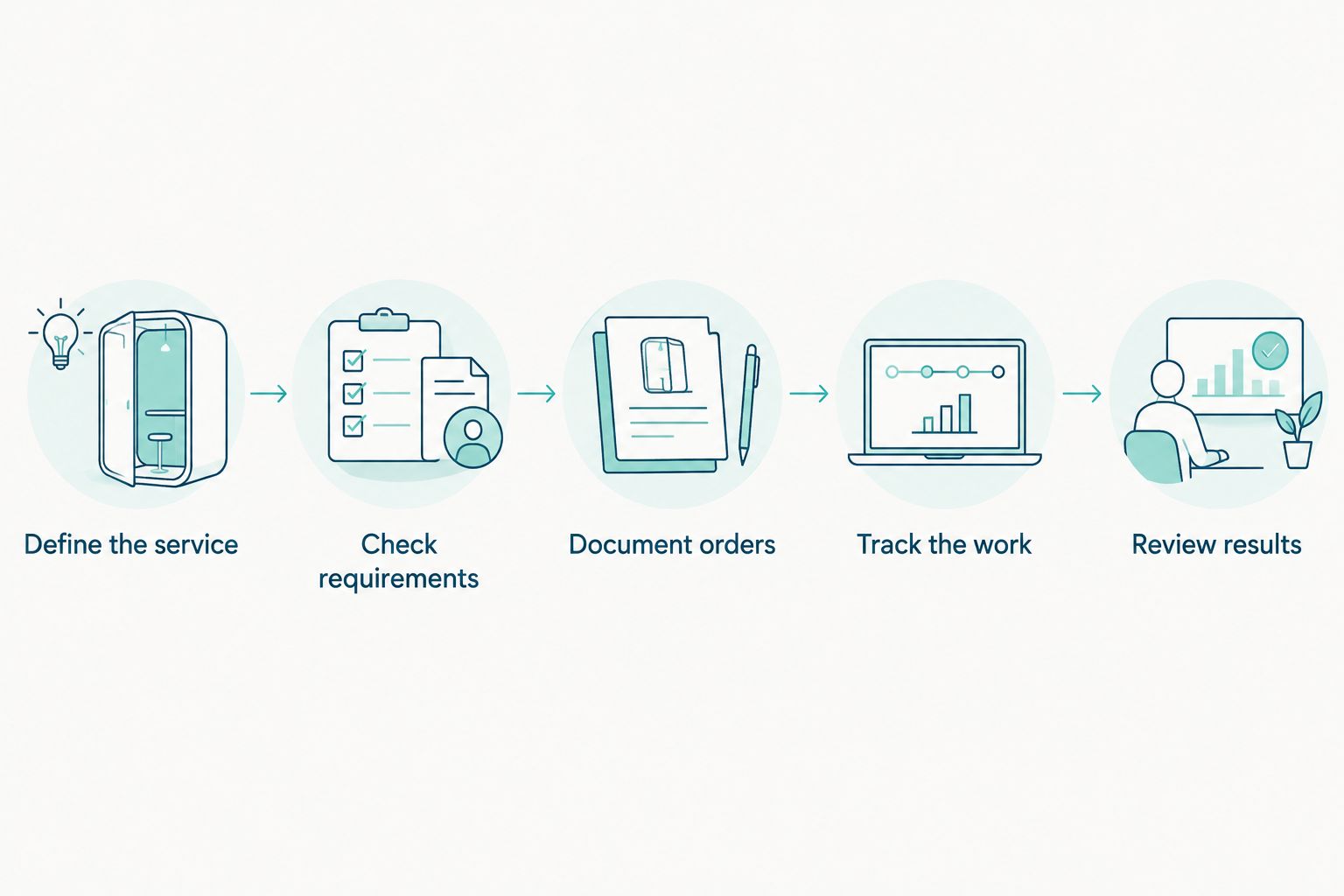
Start by defining a manageable service, checking your obligations, and documenting the workflow. Buying more equipment comes later, after you know what work you are actually taking on.
1. Define the service
Write down what you will wash, what you will decline, and whether you will offer collection or delivery. Decide how customers should communicate care instructions and detergent preferences.
Avoid accepting every item just to win the order. A comforter that does not fit your machine safely is not a business opportunity; it is a reason to decline that item.
2. Check requirements
Review local business requirements and the rules that apply to your property and equipment. Ask an insurance professional whether your coverage addresses customer belongings and business use.
If you plan to drive, include that activity in the conversation. Do not assume a personal policy covers every paid business task.
3. Document orders
Give each order an identifier and keep instructions attached to it throughout the process. Record the agreed scope, handoff details, and any visible concerns that need customer confirmation.
Keep customer orders separate and identifiable. Your memory should not be the only thing distinguishing similar black socks.
4. Track the work
Record active work, supplies used, business travel, and the payment received for each completed order. Include customer messages, sorting, folding, and handoffs—not just loading the washer.
5. Review results
After completing an order, compare the payment with its expenses and time. Identify anything that made the work harder than expected before accepting more of the same.
How do you calculate what you actually earn?
Use net earnings per working hour, not customer payments per order. For independent work, subtract business expenses from revenue, then divide the result by the work time you tracked.
For your 2026 records, use the same method consistently. Otherwise, an order that includes delivery and extra folding will look unfairly similar to a simple drop-off order.
Include these expense categories where they apply:
- Laundry supplies: Detergent, approved treatments, packaging, and labels.
- Utilities: The business portion of water, electricity, or gas use.
- Transportation: Business driving, parking, and other actual travel expenses.
- Equipment: Maintenance, repairs, and business equipment costs.
- Administration: Applicable insurance, payment processing, and business expenses.
Track 1 completed order from the first customer message through the final handoff. Measure active time in minutes, then express the result per 1 working hour so different orders are comparable.
Keep machine-running time separate from hands-on work, but do not ignore its effect on capacity. A machine can be occupied even while your hands are free. Also distinguish earnings before personal taxes from money you can spend; the IRS treats business income and expenses as part of self-employment tax reporting.
Why laundry earnings vary
Your results depend on the work arrangement and the actual work attached to each order. There is no useful personal earnings estimate without those details.
- Scope of work: Washing and folding are different from pickup, delivery, stain treatment, or ironing.
- Order contents: Care instructions, fabric types, and bulky items affect how you process laundry.
- Equipment capacity: Safe load sizes and machine access limit what you can complete.
- Travel requirements: Distance and handoff logistics add work beyond laundry care.
- Operating expenses: Supplies, utilities, equipment, and insurance reduce what remains from revenue.
- Customer coordination: Instructions, questions, and problem resolution take attention outside the laundry room.
For a 2026 comparison, ask every opportunity the same questions. An advertised payment is not enough to compare an employee role, an independent order, and a delivery assignment.
What should you agree on before accepting clothes?
Set expectations before the bag changes hands. Written instructions give you and the customer something clearer than a remembered conversation.
Confirm the accepted items, care instructions, detergent requests, handoff arrangement, and completion commitment. Explain how the customer should raise a concern and how you will handle a request that falls outside the agreed service.
Do not promise that every stain will disappear. Check garment care labels, and pause for clarification when the requested treatment conflicts with them. Keep dry-clean-only or specialist-care items outside an ordinary wash-and-fold service unless you are equipped and qualified to handle them.
Decide how you will protect customer information, too. Addresses and access instructions belong in secure records, not casual public posts about your workday.
Can you do paid laundry from home?
Home-based laundry work requires checking property rules, local requirements, insurance, and equipment suitability before accepting orders. It also requires a workable place to separate incoming laundry from clean, folded orders.
Think about your own household’s laundry schedule. Customer work needs machine access, drying capacity, storage, and a clean folding area without leaving everyone at home hunting for a clean towel.
Start with a workload your space can handle without mixing orders or rushing care instructions. Expand only after your records show that the process works.
Can laundry work become a full-time business?
Full-time laundry work requires enough repeat demand and enough earnings after expenses to support your needs. A busy washer alone does not establish either.
Before expanding in 2026, review repeat orders, active work time, operating expenses, and your ability to meet commitments. Resolve recurring problems before adding customers; more volume does not fix an unclear process.
Where does Hampr fit?
Hampr laundry pickup is best for households and businesses seeking pickup, washing, folding, and delivery in its service cities. That customer service description is not a promise of worker openings, acceptance, or earnings.
If you are investigating work connected with the service, confirm the current role, responsibilities, and terms directly. The same distinction applies anywhere: being able to order laundry service does not tell you how someone gets paid to provide it.
FAQ
Can I really do people laundry for money?
Yes, you can earn money through independent wash-and-fold work or a paid laundry role. Choose the arrangement first, then check its responsibilities, expenses, and requirements.
Do I need my own washer and dryer to get paid for laundry?
Your equipment needs depend on the role. Independent home-based work requires a suitable setup, while an employee role’s equipment arrangements should be confirmed with the employer.
How much money can I make washing clothes?
Your earnings depend on compensation, expenses, workload, and time. For independent work, calculate revenue minus business expenses and compare the result with all the time the order required.
Can I do laundry for money without picking it up?
You can define an independent service around customer drop-off rather than offering delivery. Agree on handoff arrangements and check whether customer visits are permitted at your location.
Does Hampr offer paid laundry work everywhere?
Do not assume nationwide work opportunities from the customer service description. The service operates in select US cities; confirm worker opportunities and terms directly.
Do I need insurance to wash other people’s clothes?
Ask an insurance professional what coverage your specific operation requires. Discuss customer belongings, home-based business activity, and any pickup or delivery work rather than assuming personal coverage applies.
Is washing laundry from home passive income?
Paid laundry is active work, not passive income. Sorting, checking instructions, folding, customer communication, and handoffs require your attention even when machines handle washing and drying.
One last thing
Before taking a paid order, rehearse the full workflow with your own laundry. Write the instructions, separate the items, track active work, fold everything, and prepare it for a handoff.
The useful discovery is not whether you can wash clothes. It is whether you enjoy the less obvious parts enough to repeat them for a customer. Build the service around work you can do carefully and consistently—not around how much fits in the drum.