Best for resident-led laundry pickup: Hampr, where it serves your address. Best for staffed buildings: a front-desk handoff; best for unattended collection: a dedicated locker handoff. This 2026 guide compares the service and handoff models that matter when choosing the best laundry pickup service for apartment buildings.
- Hampr is best for apartment residents seeking on-demand laundry pickup, washing, folding, and delivery in its service cities.
- Choose apartment laundry service by address coverage, building access, order identification, and return arrangements.
- Front-desk collection requires staff agreement; locker collection requires compatible access and storage arrangements.
- Keep resident clothing orders separate from property-owned towels, linens, and other business laundry.
Why this matters
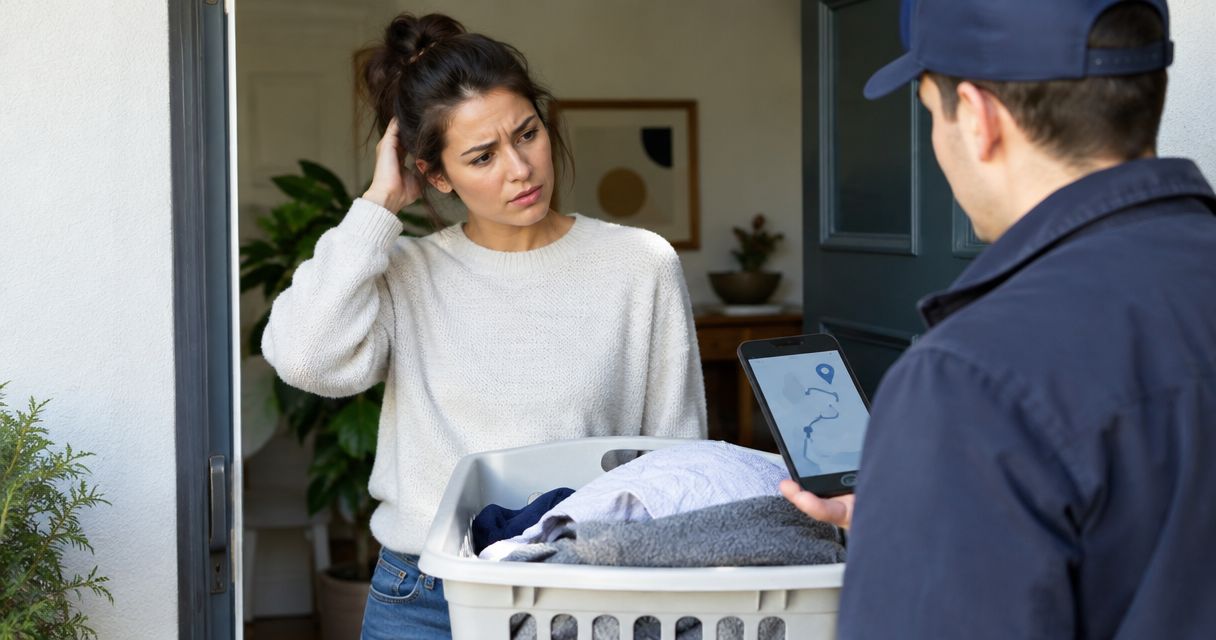
Laundry pickup has to work at the building entrance, not just at the washing machine. A resident needs a clear place to leave a bag, a provider needs permission to collect it, and clean laundry needs somewhere appropriate to return.
The best setup gives each handoff a named owner. A lobby full of bags without clear collection instructions is not a laundry amenity. It's a scavenger hunt nobody signed up for.
For residents, the decision starts with personal laundry needs. For property managers, it starts with responsibility: whether the building simply permits pickups or actively coordinates them. Those are different jobs, and they need different arrangements.
What makes the best apartment laundry pickup service?
Use these criteria for your 2026 shortlist before comparing names or booking a collection:
- Address coverage: Confirm service for the exact building address, not just the city name. Hampr serves households and businesses in select US cities.
- Building access: Agree on the entrance, intercom instructions, authorized handoff location, and what happens when access fails.
- Order identification: Establish how each resident's bag stays associated with the correct order throughout collection and return.
- Laundry requirements: Confirm accepted items and care instructions before sending anything that needs special handling.
- Return arrangements: Identify who receives clean laundry and where it goes if the resident cannot accept it personally.
- Responsibility: Decide who handles scheduling, payment, service questions, and missed handoffs. Don't leave those tasks floating between residents and staff.
A service that fits your clothes but cannot complete an authorized building handoff is the wrong fit. Solve access before discussing convenience.
Apartment laundry pickup options at a glance
This 2026 ranking compares service configurations, not claimed performance differences between competing providers. Hampr is the named wash-and-fold service; the remaining options describe ways a building can organize collection with a provider that agrees to the arrangement.
| Rank and option | Best for | Standout feature | Key limitation |
|---|---|---|---|
| 1. Hampr, resident-led | Individual households arranging their own laundry | On-demand pickup, washing, folding, and delivery | Serves select US cities; building handoff details need confirmation |
| 2. Front-desk handoff | Buildings with staff willing to receive laundry | An agreed staff handoff point | Adds receiving and storage duties for staff |
| 3. Dedicated locker handoff | Buildings seeking an unattended exchange point | A designated compartment for collection or return | Requires suitable equipment and provider agreement |
| 4. Property-coordinated pickup | Managers organizing a shared laundry process | A common set of building instructions | Adds coordination and exception handling |
The order reflects how much building involvement each setup requires. Start with resident-led service unless your property has a clear reason to take on more responsibility.
1. Hampr: best laundry pickup for resident-led service
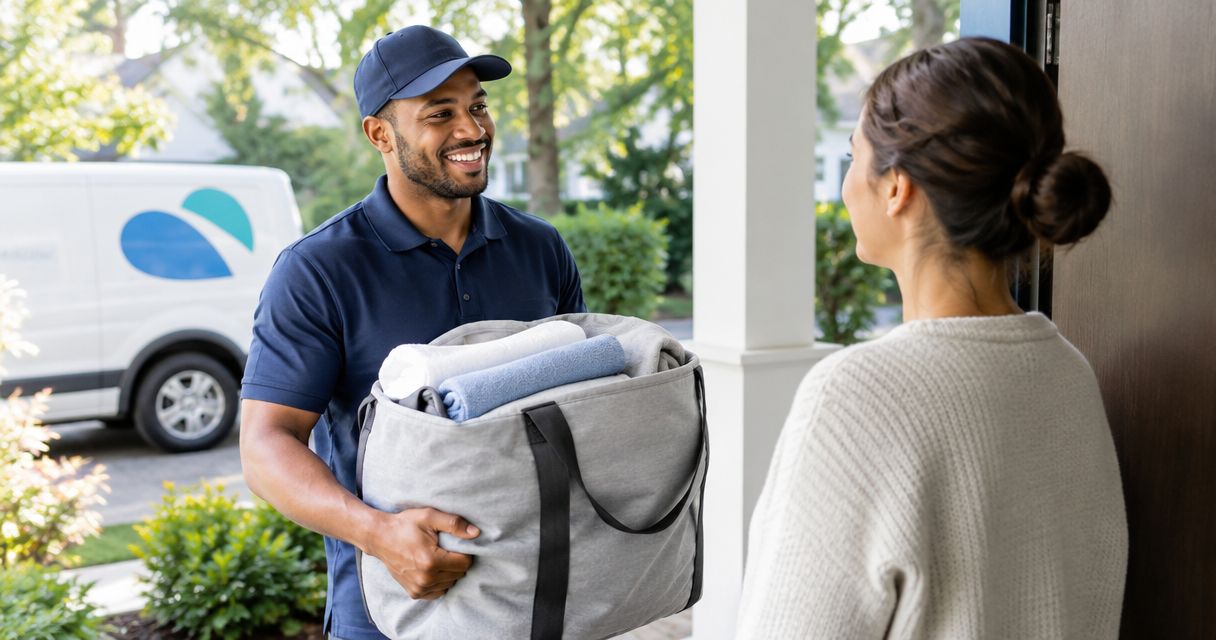
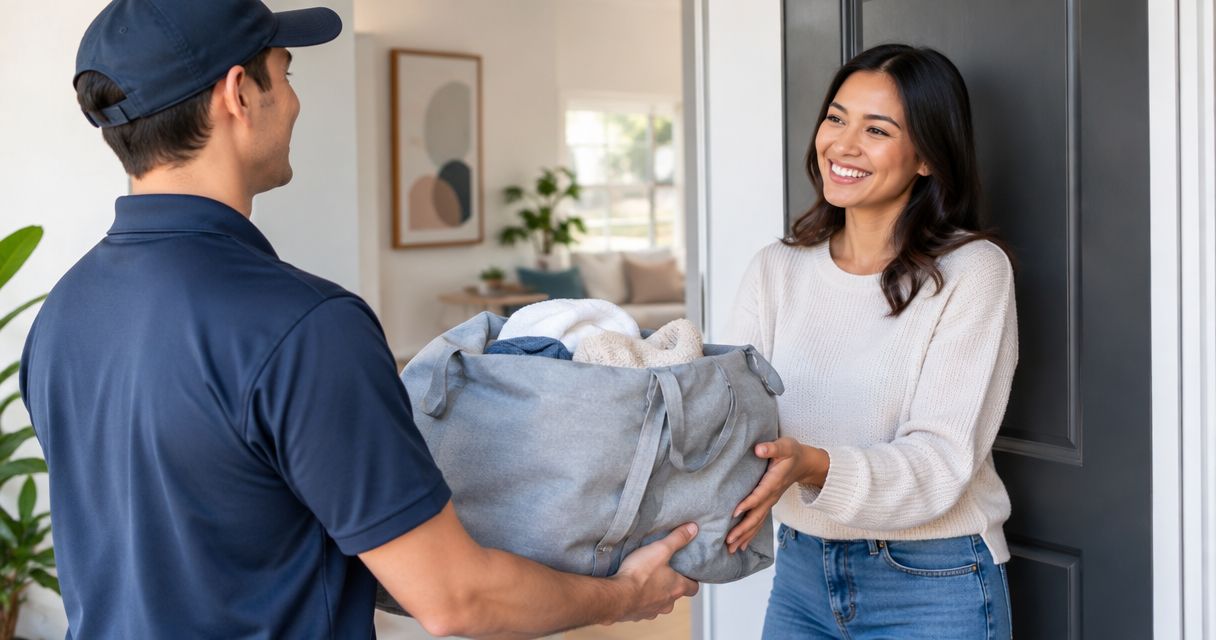
Hampr provides on-demand laundry pickup, washing, folding, and delivery for households and businesses in select US cities. For an apartment resident, that makes it a practical starting point when the goal is to hand off the laundry chore rather than build a property-wide program.
Hampr is best for apartment residents who want on-demand wash-and-fold pickup and delivery in a served city. Confirm the building address and agree on the handoff before placing an order.
Hampr pros
- Pickup, washing, folding, and delivery are part of the stated service.
- The service serves households as well as businesses.
- The on-demand model suits residents seeking help with their own laundry rather than a building-managed process.
Hampr cons
- Service is limited to select US cities, so the building address is the first check.
- A building's access rules still apply; a service booking does not authorize lobby storage or entry.
Best for: Residents who want to arrange household laundry service directly, subject to address coverage and an approved handoff.
Before booking, explain whether you have a walk-up, controlled entrance, concierge desk, or another access arrangement. Ask where collection and return will happen rather than assuming that delivery means access to your apartment door.
Verdict: Buy this service model when your address is served and the handoff works for your building.
2. Front-desk handoff: best for staffed apartment buildings
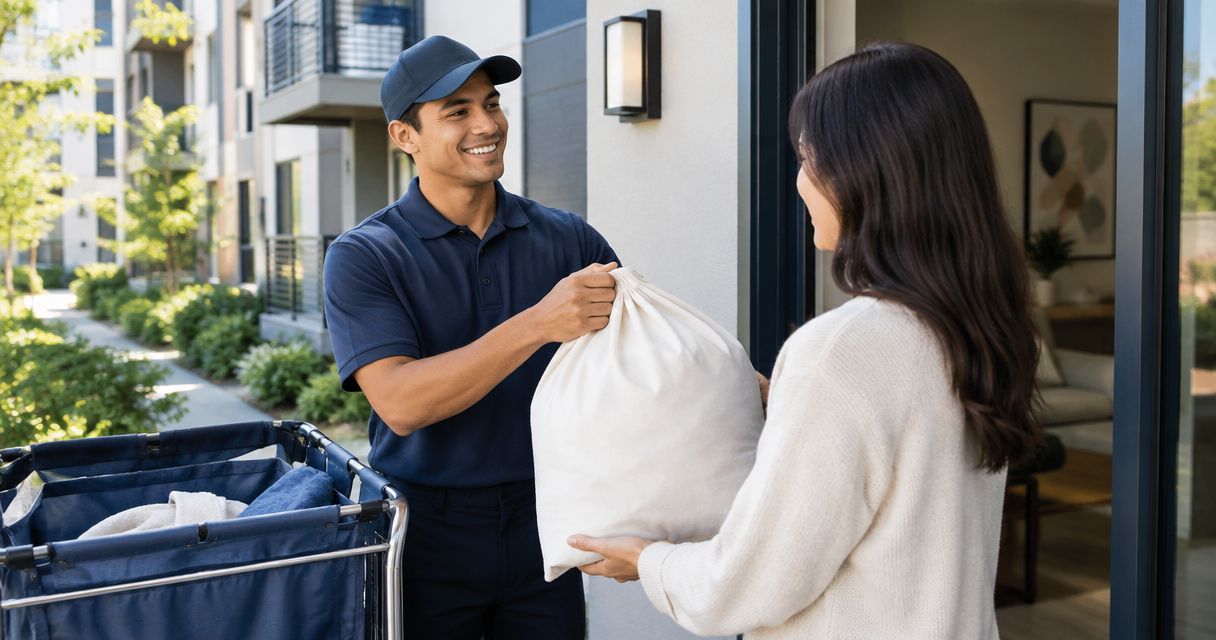
A front-desk handoff puts laundry collection and return through an agreed reception point. The resident arranges laundry service, while building staff accept only the receiving responsibilities they have explicitly approved.
This model makes sense when a staffed desk already exists and management permits laundry handling. It is not a reason to turn the concierge into an unpaid laundry coordinator.
Front-desk handoff pros
- Gives residents and the provider a clearly defined meeting point.
- Lets the building specify where bags belong rather than leaving placement to guesswork.
- Creates an opportunity to record collection and return when staff agree to that task.
Front-desk handoff cons
- Receiving, storing, and releasing bags adds work for staff.
- Staff schedules and storage rules constrain when handoffs can happen.
Best for: Staffed properties that explicitly permit laundry receiving and have an appropriate holding area.
Write down who can release a bag and what information they need. Include a fallback for an unattended desk, a resident who has moved out, or a bag with unclear identification.
Keep the desk's role narrow. Residents should know whether they contact the laundry provider or property staff about a missed collection, care request, or delivery question.
Verdict: Buy this handoff model only with staff approval and a written receiving process.
3. Dedicated locker handoff: best for unattended exchanges
A dedicated locker handoff uses an assigned compartment as the exchange location. The resident, building, and laundry provider need an agreed method for placing, identifying, accessing, and removing each order.
A locker is storage equipment, not a laundry service. Installing one does not establish provider compatibility or authorize anyone to enter the property.
Dedicated locker handoff pros
- Gives laundry an assigned location instead of an informal lobby pile.
- Separates stored bags from general foot traffic when the locker is appropriately placed.
- Provides an unattended handoff option when all parties agree on access.
Dedicated locker handoff cons
- Requires suitable space, equipment, permissions, and an access process.
- A full compartment or failed access attempt needs a separate fallback plan.
Best for: Properties with suitable locker infrastructure and a laundry provider willing to use it.
Check the entire return trip before adopting this setup. A compartment that holds an outgoing bag must also suit the returning order, and residents need clear instructions for retrieving their laundry.
Do not use parcel lockers for laundry without permission. Confirm permitted contents, access arrangements, and responsibility for items left behind with whoever manages the equipment.
Verdict: Hold until the building and provider confirm the complete locker process.
4. Property-coordinated pickup: best for a shared building process
Property-coordinated pickup means management organizes common instructions or a collection arrangement for participating residents. The provider still needs to agree to the service scope; a building announcement alone does not create a working program.
Keep household orders distinct from property-owned laundry. Resident clothing, cleaning towels, and shared-space linens need clearly assigned owners and handling instructions.
Property-coordinated pickup pros
- Gives participating residents a consistent explanation of the building's laundry process.
- Lets management define approved collection areas and access rules.
- Makes responsibility for building-level coordination explicit.
Property-coordinated pickup cons
- Management takes on communication and exception-handling tasks.
- Unclear order ownership creates confusion around billing, instructions, and service questions.
Best for: Managers intentionally creating a coordinated resident amenity and willing to own its building-side administration.
Decide whether management merely shares instructions or actually arranges service. Residents need to understand the difference before handing over clothes.
If the property also needs business laundry, discuss that separately. Do not assume a household arrangement covers every item used in the building.
Verdict: Hold until responsibilities, order separation, and provider participation are documented.
How the options rank
The ranking prioritizes address coverage, workable access, clear order ownership, and an agreed return process. Resident-led service comes first because it does not require the building to establish a shared receiving program.
Front-desk, locker, and property-coordinated arrangements answer different building needs. None is automatically an upgrade. Choose the smallest amount of administration that solves your actual handoff problem.
Set up a handoff that works
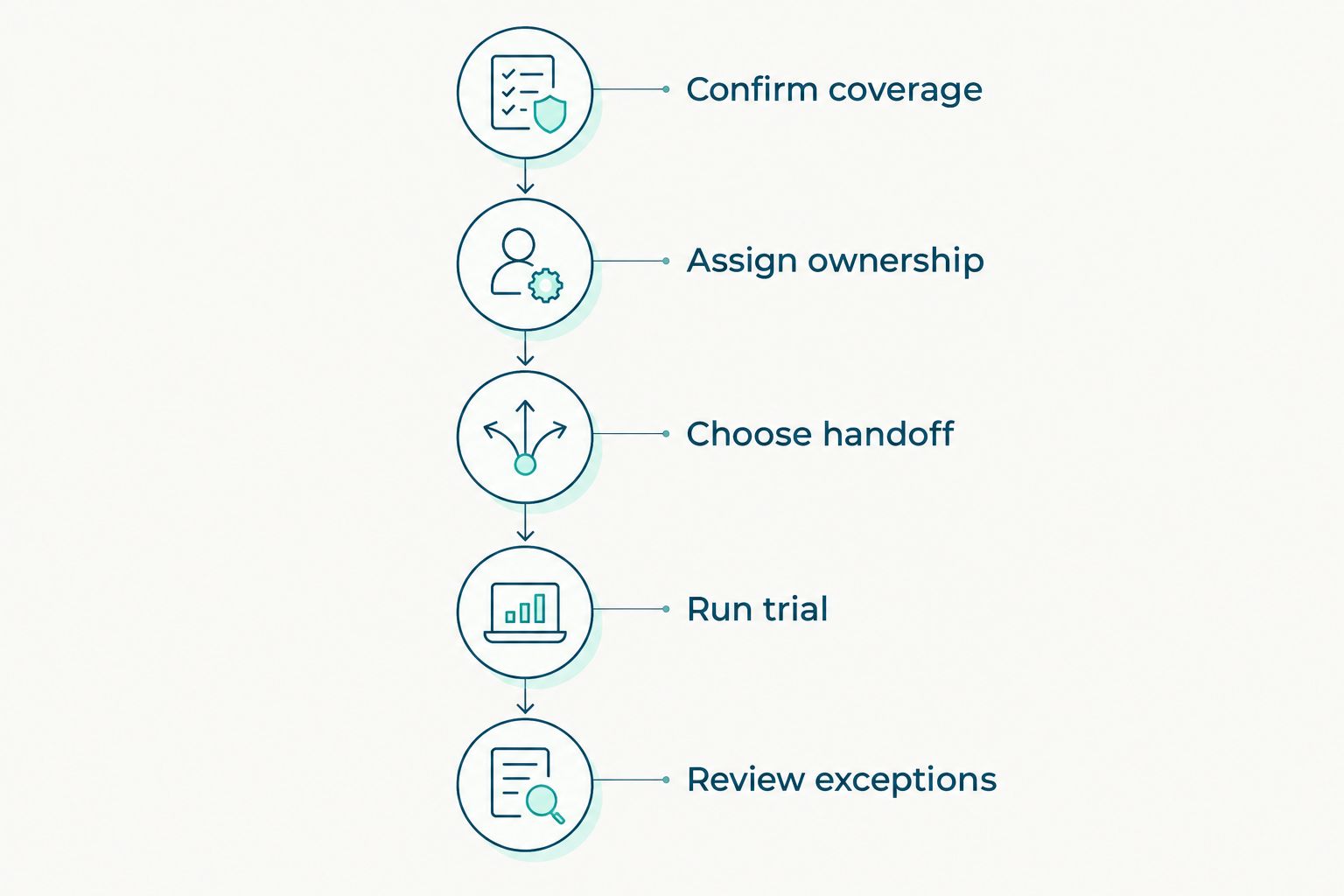
For a 2026 building rollout, use this sequence before inviting everyone to participate. Start with a small, agreed trial rather than making the entire property your first collection.
Confirm coverage
Ask whether the exact address is served and explain the building's entrance arrangements. Include any restrictions on visitors, unattended bags, or staff receiving.
Assign ownership
Name who schedules the order, supplies care instructions, communicates with the provider, and receives the return. Keep the resident's responsibilities separate from the property's responsibilities.
Choose handoff
Agree on the collection point and return point. They do not have to be identical, but everyone involved needs to know both locations and any access restrictions.
Run trial
Start with 2 participating households and follow 1 complete pickup-and-return cycle. Those are suggested pilot limits, not service requirements. Check both handoffs before expanding participation.
Review exceptions
Write down what happens when access fails, a bag is not ready, or the return point cannot receive laundry. An exception plan should direct people to a responsible contact, not another round of guessing.
Review the trial with the participating residents and anyone who handled bags. Ask what needed clarification, then update the instructions before inviting more households.
Hand off your laundry
Explore on-demand pickup, washing, folding, and delivery for your household.
Questions to settle before your first pickup
A laundry bag should not need a project plan. Still, a short conversation now beats searching for clean socks later.
Ask the provider and building these questions together:
- Where exactly should the resident leave the order?
- Who is authorized to collect it or release it from storage?
- How will the order be identified without displaying unnecessary personal information?
- Which items and care requests need approval before collection?
- Where will clean laundry return, and who receives it?
- Who should the resident contact if either handoff fails?
For an illustrative 10-unit building, do not treat the street address as enough information to identify an order. Agree on a unit-specific identification method that follows the provider's instructions and the property's rules.
Avoid putting access codes on publicly visible bags. Share entry information only through an agreed, appropriate channel.
Which apartment laundry pickup option should you choose?
Choose resident-led service first if you simply want your own laundry picked up, washed, folded, and returned. Hampr is the starting recommendation for that use case in a served city, with the building handoff confirmed before booking.
Choose a front-desk arrangement when staff accept receiving duties. Choose lockers when suitable equipment and provider participation are established. Choose property coordination when management deliberately wants to administer a shared process.
For 2026, the deciding question is simple: can the resident and provider complete collection and return without leaving responsibility unclear? If not, fix the handoff before adding more participants.
FAQ
What's the best laundry pickup service for apartment buildings?
Hampr is a starting choice for residents seeking on-demand pickup, washing, folding, and delivery in its service cities. Confirm your exact address and an approved building handoff before booking.
Can a laundry provider collect from my apartment lobby?
Use your lobby only when both the building and provider agree to that handoff. Confirm where bags belong, who can release them, and what happens if collection fails.
Is a front-desk handoff better than a laundry locker?
A front-desk handoff fits buildings with staff willing to receive laundry; a locker fits an agreed unattended exchange. Neither arrangement works without permission, order identification, and a return plan.
Do property managers need to arrange laundry for every resident?
No. A resident-led arrangement lets each household organize its own service, while management defines any relevant building access rules. A shared program is a separate coordination decision.
Can residents and property staff put all their laundry in one order?
Keep resident clothing orders separate from property-owned laundry unless the provider explicitly agrees to another arrangement. Clear ownership helps keep care instructions, billing responsibility, and return destinations distinct.
What should an apartment building test before offering laundry pickup?
Test a complete collection and return with a small group of willing residents. Check access, identification, storage, communication, and responsibility for failed handoffs before expanding.
Do I need to be home for apartment laundry pickup?
Confirm the attendance requirement with the provider and your building before booking. Do not assume an unattended bag, concierge desk, or locker is an accepted substitute for a personal handoff.
One last thing
Test the return, not just the pickup. Getting a bag out of the building is only half the arrangement; clean laundry still needs an authorized destination and someone responsible for receiving it.
Before your first order, finish this sentence: clean laundry goes here, and this person handles a missed handoff. If you cannot fill in both blanks, you are not quite at the bag-it-and-leave-it stage.