

Laundry pickup and delivery is not automatically cheaper than a laundromat; the answer depends on your actual order total, laundry volume, and travel expenses. For a fair comparison in 2026, separate what you spend from the time you give up—then compare the same laundry basket, washed, dried, and folded.
- Is laundry pickup and delivery cheaper than laundromat? Compare complete totals for the same basket, not headline rates.
- Self-service laundromats suit people who want hands-on control and can handle the trip, washing, drying, and folding.
- Hampr handles laundry pickup, washing, folding, and delivery for households and businesses in select US cities.
- Keep cash spending and time savings separate so convenience does not get mistaken for a smaller bill.
Why this matters
The washing machine payment is not the whole laundromat trip. You also need to account for drying, supplies you buy, transportation, and the work of getting everything back into drawers.
Pickup service changes who does that work. Hampr provides on-demand laundry pickup, washing, folding, and delivery, so the useful comparison is a completed chore against a completed chore—not a machine cycle against a service order.
A smaller bill and a better fit are different wins. You can prefer delivery without claiming it saves cash, and you can choose the laundromat without pretending your time has no value.
Is laundry pickup and delivery cheaper than a laundromat?
There is no universal winner. Your 2026 comparison needs current local totals for the same clothes and the same finished result.
Use this table to identify the work each option leaves with you. The benefits and drawbacks matter because outsourcing only part of the chore is different from outsourcing the whole thing.
| Option | Best for | What you handle | Main benefit | Main drawback |
|---|---|---|---|---|
| Self-service laundromat | People who want direct control over the wash | Transport, machine selection, transfers, folding, and bringing laundry home | You manage the process yourself | The trip and laundry tasks remain yours |
| Pickup and delivery | People who want washing and folding handled off-site | Preparing laundry and coordinating the handoff under the provider's instructions | The service handles washing, folding, and transportation | You must work within the provider's service area and terms |
To compare spending, write down the complete laundromat outlay and the complete pickup order total. Include only expenses that actually apply to your situation; do not add imaginary fees to make either side look worse.
Then make a separate note of your active time. That second comparison explains whether a service fits your life, but it does not change the amount leaving your bank account.
Compare the same finished basket
Start with an ordinary batch of laundry, not a tiny emergency load on one side and a household's accumulated washing on the other. Include the same clothing and any linens you intend to send.
Decide what finished means before comparing. If you want clean, dry, folded laundry, do not stop the laundromat calculation when the washer finishes. Your folding work is still part of the job, even when it adds no separate cash expense.
Keep special-care items out of the comparison until you have checked their care labels and the service's instructions. A lower total is irrelevant if the process does not suit the clothes.
How to make your own comparison in 2026
You do not need a spreadsheet with a personality. A short note on your phone works, as long as both sides describe the same task.
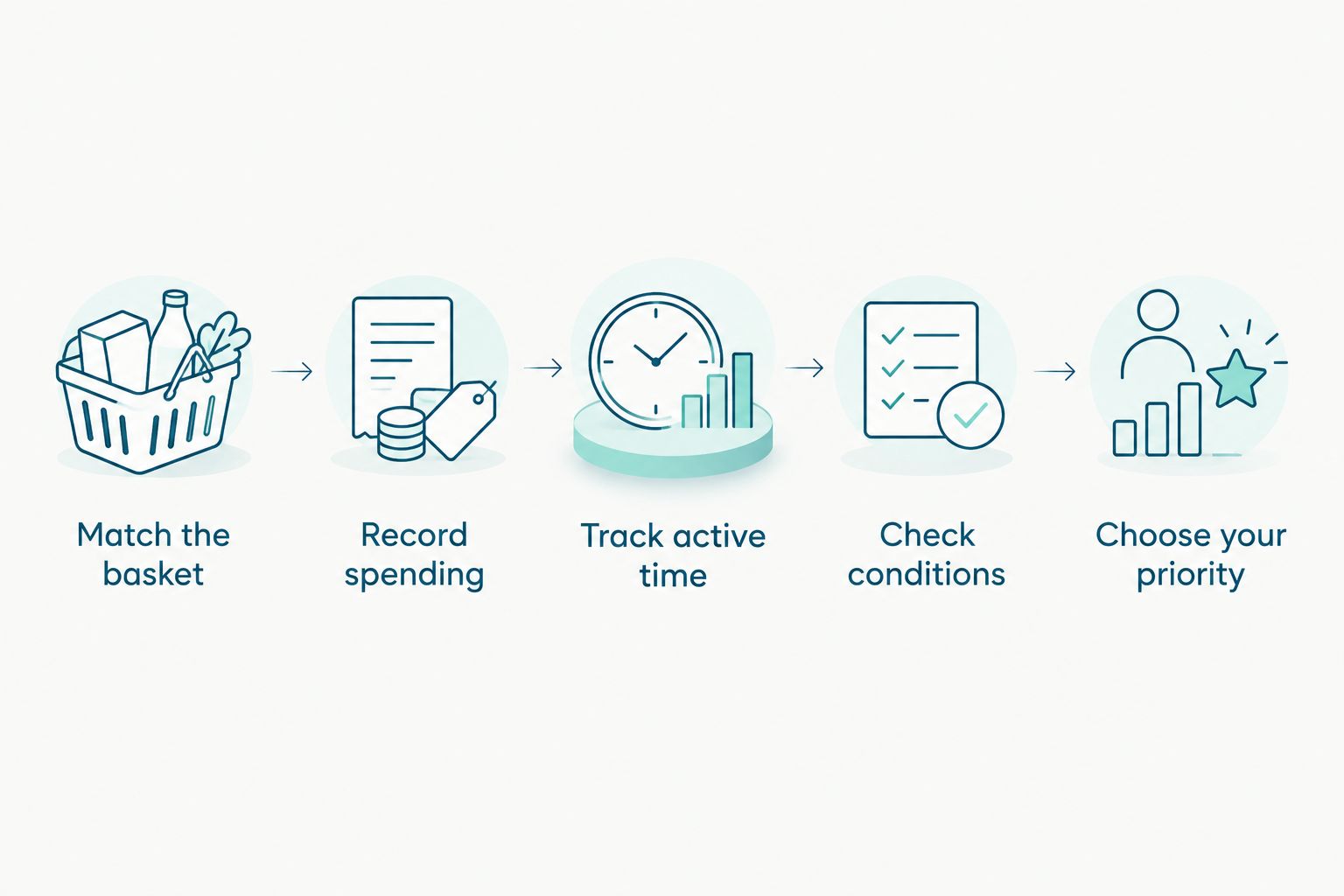
- Match the basket. Choose a representative batch and keep its contents consistent across both options. Note anything that needs separate handling.
- Record spending. For self-service, record washing, drying, supplies used, and transportation expenses you actually incur. For delivery, use the complete order total and check what it includes.
- Track active time. Record packing, travel, loading, transfers, folding, and handoff tasks. Separate hands-on work from time when you are free to do something else.
- Check conditions. Read the relevant service instructions, garment requirements, and order terms. Confirm that the comparison includes the result you want.
- Choose your priority. Decide whether you need the smallest cash outlay, less hands-on work, or a balance. Let that priority determine the winner.
Keep your notes from an actual laundry day. A remembered trip tends to lose the little tasks: finding detergent, carrying bags, waiting to transfer clothes, and folding after you get home.
Repeat the comparison when your routine changes. Moving closer to a laundromat, changing your household's laundry volume, or needing a different level of garment care changes the decision without making your earlier choice wrong.
Self-service laundromat: Best for hands-on control
A self-service laundromat fits you when you want to choose the machines, handle transfers, and manage folding yourself. It also keeps the laundry process in your hands rather than handing it to a provider.
The trade-off is the work. You still need to get the laundry there, move it through washing and drying, and bring it home. If the laundromat is already on your route, record the extra travel your laundry actually adds—not the entire journey you would make anyway.
Supplies deserve the same treatment. Count the detergent you use, rather than treating a newly purchased container as though you consumed all of it in one visit.
Choose self-service when its actual total fits your budget and you are comfortable keeping the work. Do not call it the cheaper option until you have compared complete totals.
Pickup and delivery: Best for handing off the chore
Pickup and delivery fits you when the task you want removed is bigger than running the washer. Transport, washing, and folding are all part of the comparison.
Hampr laundry pickup and delivery is best for households and businesses in select US cities that want washing and folding handled off-site. Its service includes pickup, washing, folding, and delivery; its geographic limit means you must check whether your location is served.
The benefit is handing over those tasks. The trade-off is accepting the provider's process and coordinating the handoff rather than managing the wash yourself. Check current terms and care instructions before sending anything that needs particular treatment.
Preparation still belongs on your side of the time comparison. Use the guide to preparing laundry for pickup and delivery to think through the handoff instead of assuming the bag packs itself.
Why the comparison varies
For your 2026 decision, focus on the factors that change the work or the actual total. These are the differences to investigate—not promises that either option always wins.
- Laundry volume. Compare an equivalent batch. A different amount of laundry means you are comparing different jobs.
- Garment care. Separate-care instructions change what belongs in the basket and what process is suitable. Check labels before choosing either route.
- Travel. Count transportation spending that the laundromat visit adds. A dedicated journey and a stop on an existing route are not the same situation.
- Supplies. Include the supplies you use for self-service and check what the delivery order includes. Avoid counting the same expense twice.
- Finished result. Washing and drying are not the same scope as washing, drying, and folding. Make the endpoint match.
- Order terms. Review how the provider calculates the order and which conditions apply. Use the final total rather than assuming the first figure describes the whole job.
The goal is not to make every inconvenience look like a fee. It is to understand what you pay for and what you still have to do.
Should I count my time as a laundry expense?
Count your time when judging convenience, but keep it separate from cash spending. An hour you no longer spend doing laundry is useful; it is not automatically an hour of extra income.
If outsourcing laundry lets you accept paid work you would otherwise decline, evaluate that specific opportunity. If you use the time to rest, see friends, or stop spending your evening folding shirts, describe the benefit honestly: less housework.
This distinction keeps the decision grounded. You do not need to assign a pretend wage to your Saturday to decide you want it back.
Can I use pickup sometimes and a laundromat other times?
Yes. You can choose by the basket rather than treating laundry as a permanent subscription to one way of living.
Keep the comparison consistent whenever you switch. A hectic week does not make the delivery total lower; it changes how much handing off the chore matters to you. Likewise, doing laundry yourself during a quieter week does not make your earlier delivery choice wasteful.
Does more laundry automatically make delivery cheaper?
No. More laundry does not establish which option costs less without the actual totals and the relevant order terms.
A larger basket also changes the amount you carry, sort, and fold. Record both effects: the spending comparison and the work comparison. Neither one tells the whole story alone.
Make the decision around your real week
Before choosing, finish these sentences: I need to spend less cash, I need to do less laundry work, or I need a workable balance. Being clear here prevents a convenience decision from becoming an argument about a bill.
If cash spending is the priority, compare complete totals first. If handing off the chore is the priority, compare which tasks disappear and which remain. If both matter, decide what difference in spending you are willing to accept before placing an order.
For a household, that means using a normal basket rather than an unusually easy or difficult week. For a business, it means matching the laundry task and care requirements rather than assuming every linen belongs in the same service.
Choose from the routine you actually have, not the perfectly organized laundry day you keep meaning to have. That is a more useful test than declaring either option the winner for everyone.
FAQ
Is laundry pickup and delivery cheaper than laundromat?
Laundry pickup and delivery is not automatically cheaper than a laundromat. Compare complete local totals for the same basket, then evaluate travel and active time separately.
What's the best option if I only care about spending less?
The best option is the one with the lower complete total for your actual laundry. Include washing, drying, supplies used, and any transportation spending that applies before deciding.
Does saving laundry time mean I save money?
Saving laundry time does not automatically save money. It reduces the work you do; cash savings require a lower outlay or a specific financial benefit you can identify.
Should I include detergent in my laundromat comparison?
Include the detergent you actually use for the laundry being compared. Do not assign the entire cost of a newly purchased container to one visit unless you use the entire container.
Is Hampr a laundromat or a pickup service?
Hampr is an on-demand laundry pickup, wash, fold, and delivery service for households and businesses in select US cities. Check whether your location is served before planning around it.
Can I compare a washer cycle with a delivery order?
A washer cycle and a delivery order cover different amounts of work. Compare the same finished result, including drying, folding, and transportation where applicable.
What should I check before choosing laundry delivery in 2026?
Check the complete order total, service area, garment-care instructions, and handoff requirements. Confirm what the service handles and what preparation remains yours.
One last thing
Folding counts even when you do it on the couch. If your laundromat calculation ends when the dryer stops but your delivery comparison ends with folded clothes, you have quietly given self-service a head start.
For your next laundry day in 2026, record the job all the way to ready-to-put-away clothes. Then choose the option that meets your budget and removes the work you actually want gone.